WEDDING MUSIC · ELOPEMENTS · AUSTRIA & WORLDWIDE
Wedding Music That Feels Like You
Songs, live musicians and thoughtful planning for intimate weddings and elopements—wherever you celebrate.
Perhaps your relationship has a soundtrack already. The album you played on your first long drive. A concert where you forgot everyone else was there. The song that can turn an ordinary evening in your kitchen into a very small dance floor.
When music matters that much, choosing wedding music deserves a little more thought than opening a playlist labelled “romantic” and hoping for the best.
This guide is for couples who want music to be part of the experience: a favourite piece played beside their vows, a private concert in the mountains, a relaxed celebration with their closest people, or a very good party. We’ll look at songs, musicians, practical arrangements and what it takes to keep the sound of that day in your wedding film.
I’m Elias Choi-Buttinger, the Austrian photographer and filmmaker behind Bound of Music. I grew up with two artists as parents, worked professionally in contemporary dance, and have collaborated with musicians on dance films, music videos and mountain shoots. Those experiences shape how I listen, how I work with people and how I help couples find a musical direction that feels right.
Austria is home; my photography and filmmaking are available worldwide. I can also help you explore musicians for your chosen destination, through my existing connections or research into suitable local artists. The place can change. Starting with your story still makes sense.
Find what you need
- Find your musical direction
- Live music, DJ or playlist?
- Music through the ceremony
- Songs and special requests
- Instruments and musicians
- Music for an elopement
- Mountain access and weather
- Venues, permissions and guests
- Costs, quotes and booking
- Who handles what?
- Live music in your wedding film
- Austria and destinations worldwide
- Three example celebrations
- Your brief: where to begin
Start with the feeling, then choose the music
Before you search for a wedding singer or a list of ceremony songs, sit down together and each choose three pieces you love. They do not all have to be love songs. Listen to them and explain what you hear: warmth, excitement, stillness, a memory, the feeling of being somewhere completely free.
That conversation is more useful than trying to agree whether your wedding should sound “elegant” or “bohemian”. Those words can mean almost anything. A particular voice, the warmth of a cello or the rhythm of a song you both know gives a musician something much clearer to work with.
If your tastes are different, give each of them room. One person’s favourite can shape the arrival; another can become the piece you hear after your vows. Shared taste is lovely. Taking an interest in what moves the other person is rather lovely too.
Think about attention as well as sound. Do you want to stop and listen? Do you want something gentle while people talk? Do you want to dance? A wonderful listening piece can feel lost beneath dinner conversation, while a lively set may be exactly right once everyone is ready to celebrate.
Leave some quiet in the plan. Spoken vows, a long hug and the few seconds after a promise can carry plenty on their own. Even for people who adore music, every moment does not need accompaniment.
Live music, a DJ or a playlist: which fits your day?
A live musician can respond to what is happening: hold a phrase while you finish walking, soften the sound as a moment becomes quiet, or bring a familiar song into the space in a completely personal way. That responsiveness is one of the reasons I love working with musicians at intimate celebrations.
An original recording can be just as meaningful when a particular artist’s voice belongs to your story. A DJ makes sense when you want a wide repertoire and someone actively shaping an evening around the room. A carefully prepared playlist can suit a relaxed meal or a short private dance, provided someone takes responsibility for playing it.
| Option | A good reason to choose it | What to think through |
|---|---|---|
| A solo musician or small ensemble | A personal ceremony, focused listening or a gentle atmosphere around conversation. | Their sound, repertoire, access, equipment and agreed performance moments. |
| A band | A celebration where live energy and dancing are central. | Space, volume, setup, breaks and whether the same lineup will perform. |
| A DJ | Variety, original recordings and an evening that changes with the guests. | Musical taste, requests, announcements, equipment and venue limits. |
| Recorded music | A specific recording you love or a simple part of the day. | A tested device, suitable sound system, reliable playback and a person handling cues. |
| A combination | Different experiences for the ceremony, drinks and evening. | Clear handovers, separate responsibilities and the complete cost. |
For example, you could choose cello for the ceremony, a singer and guitar for drinks, and recorded music later. Or one musician could provide a short ceremony performance and a longer relaxed set afterwards. Ask what that person actually offers; being an excellent ceremony musician does not automatically make someone a DJ.
The descriptions and timings on Encore’s wedding music overview are useful inspiration for different parts of a celebration. Your own day can be much smaller and simpler.
Where music belongs in your ceremony
You do not need a separate song for every movement. Choose the moments you want to remember, then decide whether music would help you experience them more fully. For an elopement, one carefully chosen piece after the vows may be enough.
| Moment | How music could work |
|---|---|
| Before the ceremony | A few pieces while guests arrive, or a quiet moment for the two of you before you begin. |
| Your arrival | One shared entrance, separate entrances, or a song that begins once you are already together. |
| A pause within the ceremony | A complete piece to listen to after a reading, personal ritual or exchange of vows. |
| Signing, if part of your ceremony | An arrangement that can finish naturally when the formalities are complete. |
| The end of the ceremony | Something joyful, a gentle release of emotion, or a song you stay and listen to. |
| A first dance or private performance | Later in the day, with guests or just the two of you, when there is time to enjoy it. |
How many songs, and how long?
For a symbolic ceremony, an arrival piece, a listening moment and an ending are a useful starting point—not a compulsory formula. Your registrar or religious venue may have its own rules. Agree the shape of the ceremony first, then the number and length of pieces.
Give the musician the actual version you love, including the passage that matters to you. If the chorus is the moment you want to hear, say so. Otherwise you could reach your partner while your favourite part is still two verses away.
Discuss how an entrance finishes. A live performer may be able to repeat a phrase or find a natural ending, depending on the arrangement. For a recording, decide the starting point and ending in advance. One named person should give the cue, using a simple agreed signal.
Let your vows be heard
I usually prefer to give spoken vows their own space. Music beneath them can compete with quiet voices, and it complicates the recording. A piece immediately afterwards gives you time to absorb what you have said. If you love the idea of underscoring, discuss it with the celebrant, musician and filmmaker so the words remain clear.
And if there is no aisle? Arrive together. Stand beside each other before the first note. Sit down on a blanket and listen. Your ceremony does not need to borrow a procession that feels unnatural to you.
Choosing songs that belong to the two of you
Start with your relationship rather than wedding charts. A piece from a journey, a film you love, your first concert or a Sunday morning at home can make a stronger choice than a song selected because everybody recognises it.
Listen to the whole track. A beautiful chorus can have some surprisingly unsuitable neighbours. Consider the lyrics, the memories attached to them and whether hearing them during your ceremony would feel comfortable. An instrumental version may suit you better, but it still carries your personal associations.
A few musical directions to explore
- Warm and familiar: a voice and guitar, or an instrumental arrangement of a song such as Your Song or Here Comes the Sun.
- Intimate and reflective: solo cello, piano or a quieter arrangement of something from your own listening life.
- Classical and spacious: explore a Bach cello prelude, Clair de lune or chamber music with the performer who would actually play it.
- Folk, indie or cinematic: bring the recordings you love and ask which could become a convincing live arrangement.
- Rhythmic and grounded: listen to a performer working with drone, breath, percussion or layered live sounds.
- Playful and celebratory: a bright acoustic set, accordion, favourite singalong or something that makes both of you grin.
These are listening prompts, not a promise that every musician can play every piece. A full orchestral recording and one cello offer different things. Ask to hear comparable arrangements before deciding.
Special arrangements, new compositions and songs in another language
Ask about a special request before booking, especially if the song is essential to your decision. Confirm whether the musician already plays it, whether a new arrangement is possible, its preparation cost and the date by which you need to choose.
For a bespoke arrangement or composition, agree the length, instruments, mood, any lyrics, what you will hear in advance and how revisions work. Also clarify whether you receive a recording and what you may do with it. Those details turn a lovely idea into something everyone understands.
If you want a song in another language, choose someone comfortable with its pronunciation and meaning. For a song honouring a loved one, tell the musician what you want the moment to hold: affection, gratitude, reflection or joy. It can be a brief, gentle part of the day.
Keep a small list of favourites and a clear “please leave these out” list. For a longer celebration, give the performer room to shape a set within those boundaries. You should be able to enjoy the music without becoming its project manager.
Finding the right instrument—and the right person
The person matters as much as the instrument. At an intimate wedding, your musician is close to you during a very personal part of the day. I look for a sound that fits, but also for someone whose presence feels comfortable: attentive, adaptable and happy to let the couple be the centre of the experience.
Through years of working in dance and film, I have got to know artists beyond a booking profile. I have seen how they collaborate, how they listen and what they bring to a shared project. That helps me translate a couple’s ideas into a useful conversation with a musician, whether the starting point is a specific piece or simply “we want it to feel warm and a little wild”.
Cello and early music with Mathias Roller
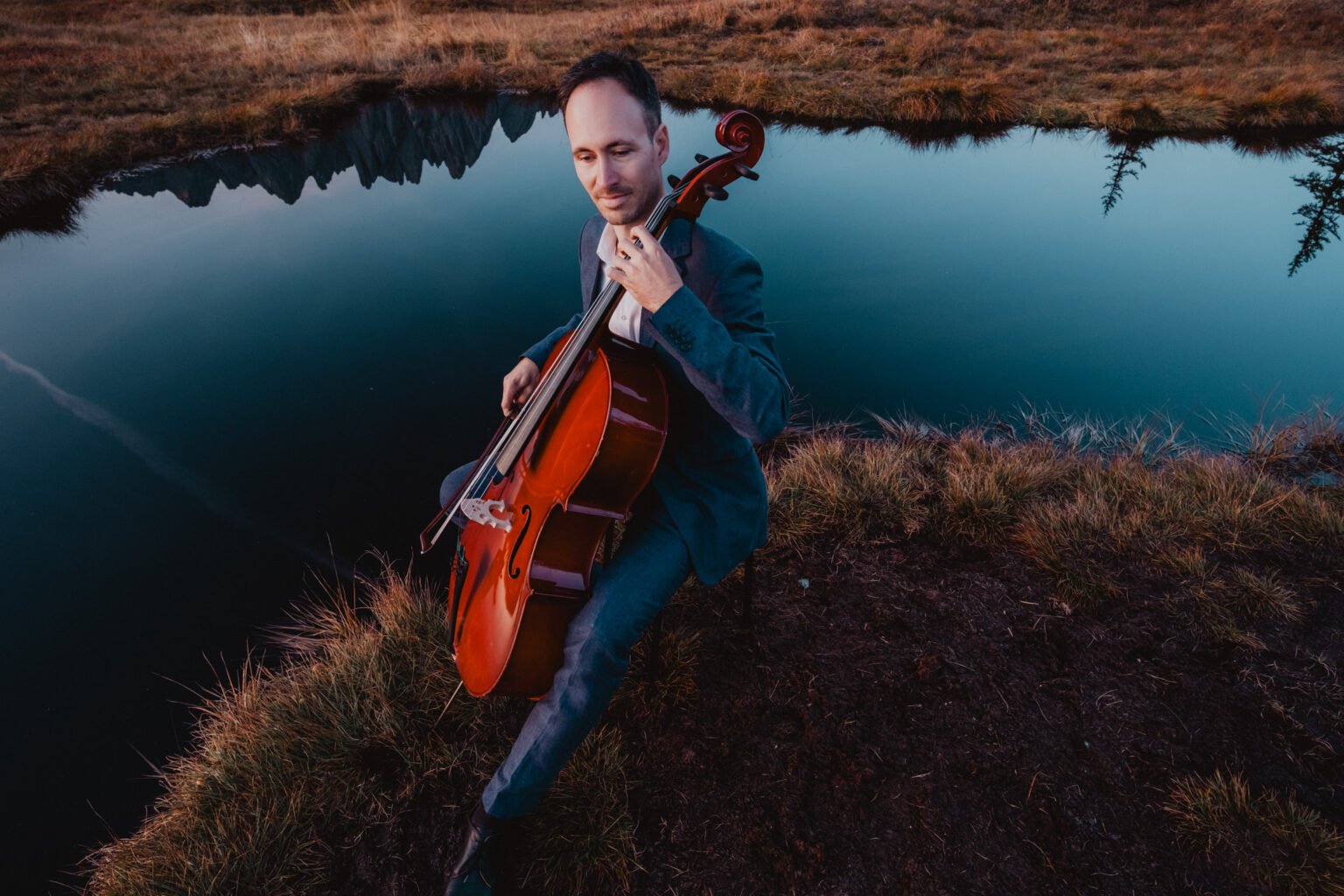
Cello has a warmth that can feel wonderfully close and human. A single melodic line gives you something to settle into; it does not need a large audience or a grand hall.
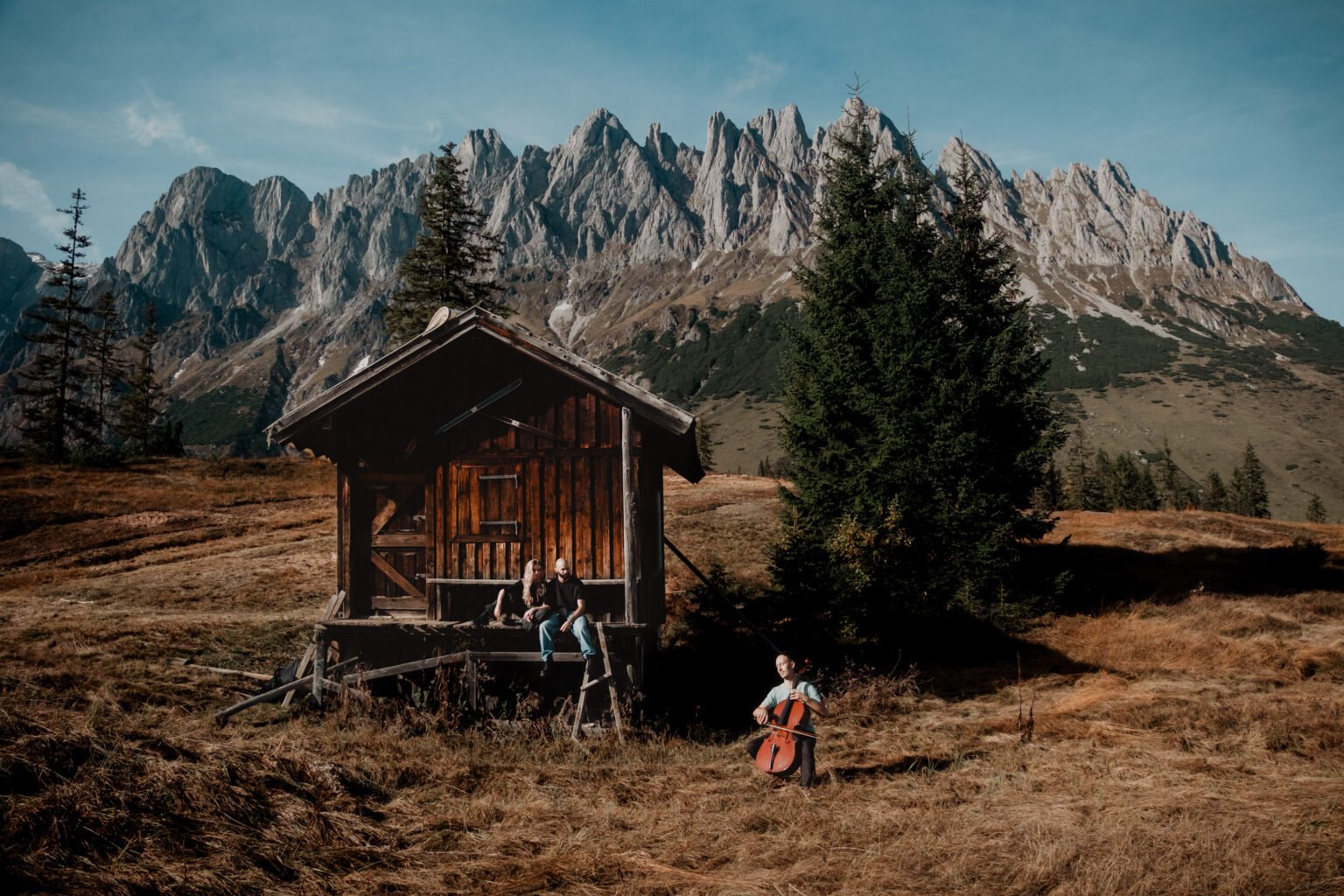
Mathias and I met through our time at the Anton Bruckner Private University in Linz. We have worked together on dance, music and film projects, including our award-winning film made in Iceland. We have also taken his cello into the landscape near the Hochkönig for a mountain session with a couple.
For a fuller sound, his early-music ensemble Infiammabile opens another direction, with voice, flute, Baroque guitar or theorbo, and Baroque cello. An ensemble has its own repertoire and practical requirements; we would discuss the music and location before settling on a lineup.
You can explore Mathias and the musicians I work with to start getting a feeling for the possibilities.
A different atmosphere with Gregor De Lorenzo
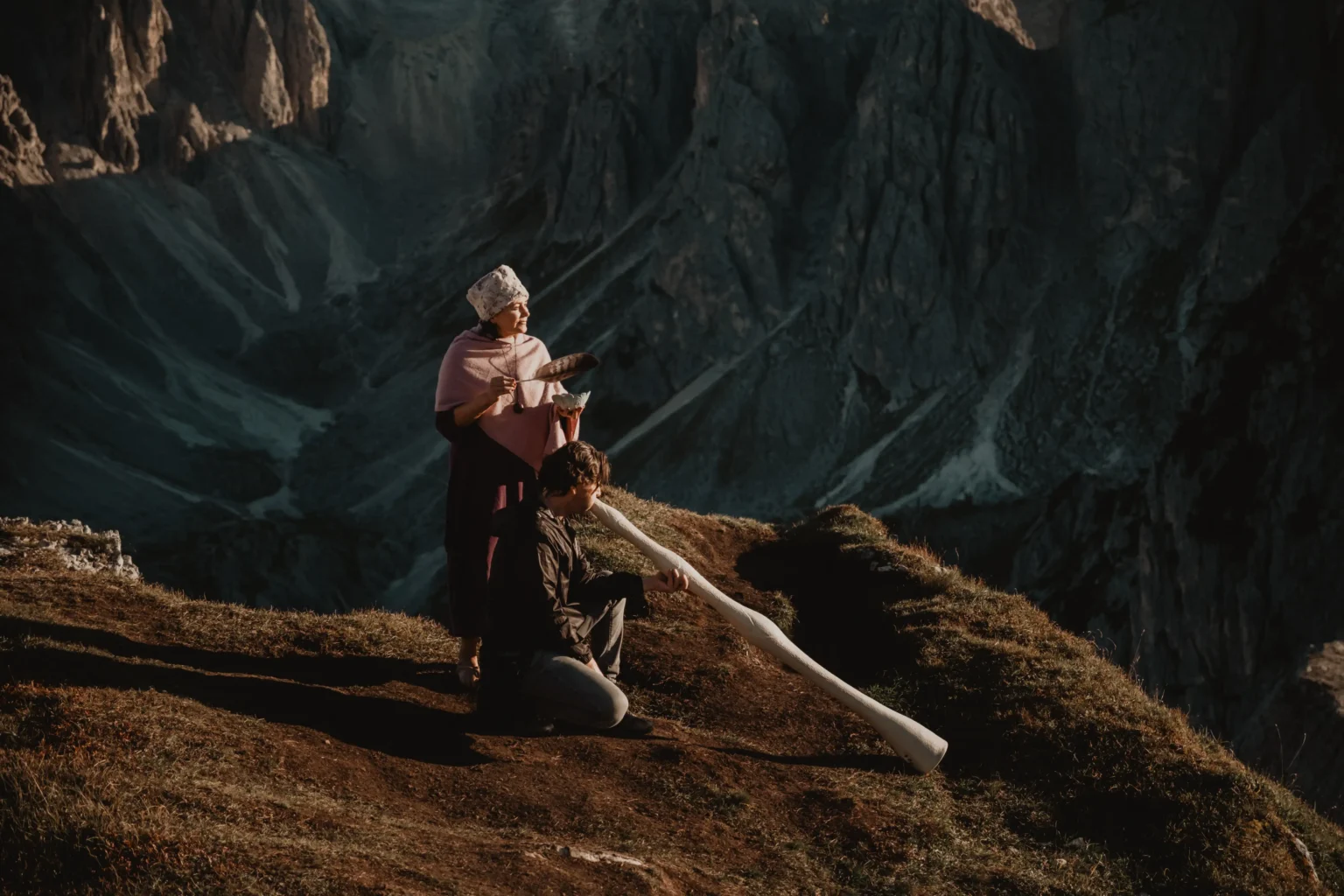
Some couples are drawn to sound that feels earthy, spacious and rhythmic. Gregor’s didgeridoo, shruti box and drums offer a very different direction from a string melody or a singer with guitar. Listen to the sound first and notice how it feels to you.
I have known Gregor for almost 30 years. His relaxed presence is one of the reasons I enjoy working with him. During a mountain ceremony near Tre Cime in the Dolomites, his music and Johanna’s ceremony guidance gave the couple time to slow down and be fully there, from the afternoon light into sunset.
Choosing this musical direction does not mean adopting a prescribed spiritual ceremony. You can enjoy a sound because it speaks to you. If you want particular rituals or cultural traditions included, discuss their meaning with the people involved rather than treating them as decoration.
You can listen and learn more through Gregor’s own website, or explore his place in my musical collaborations.
Voice, guitar, accordion and a little Beda mit Palme
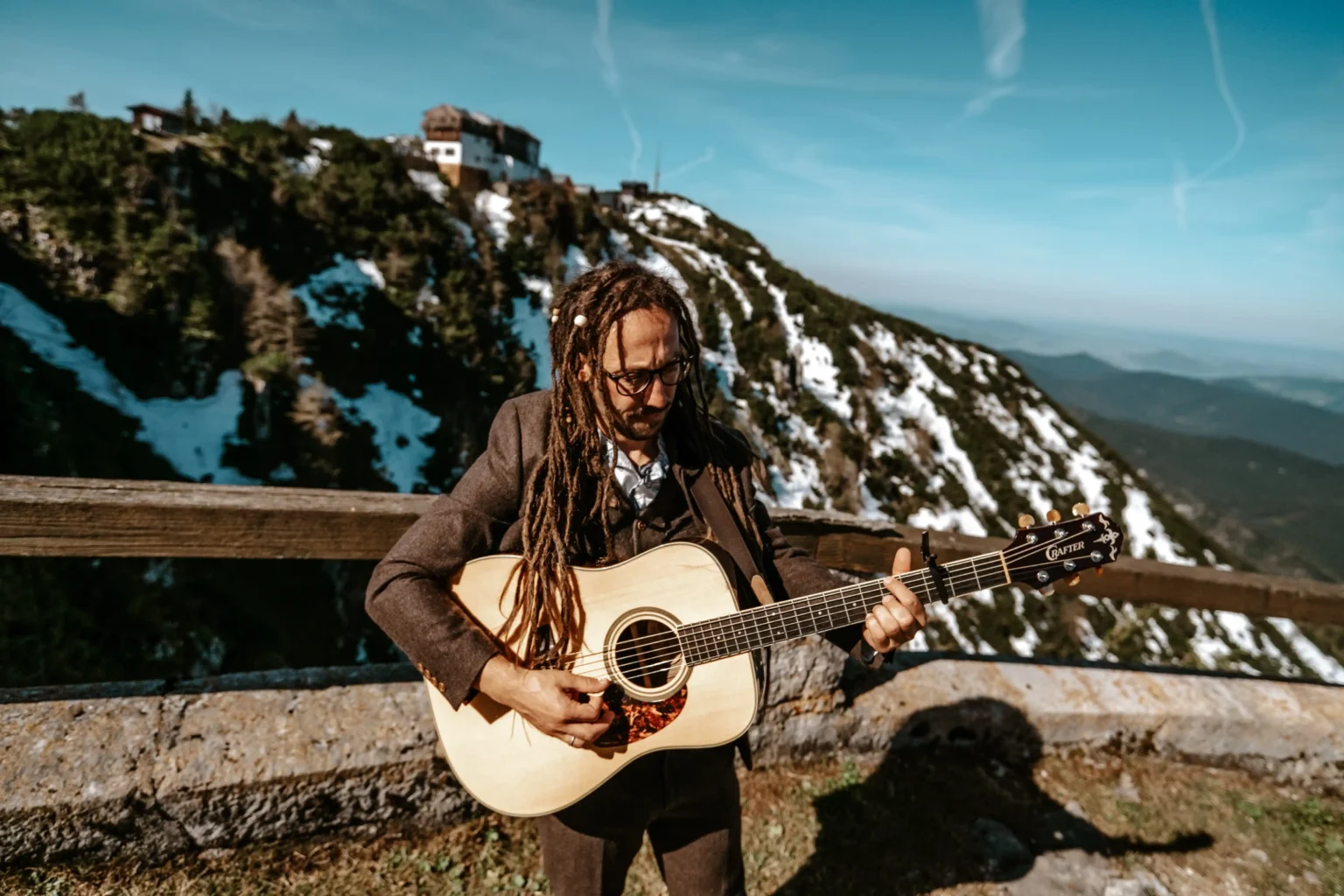
If your idea of a wonderful afternoon includes a voice, a guitar and someone with an easy sense of humour, Beda is another person I would be happy to talk about. We have made music videos together, with me filming and editing, including a project beside Traunsee in Austria.
He works with vocals, guitar and accordion, and can build layers using a loop station. His own music includes Austro-reggae, alongside his experience playing at weddings. The useful question is which part of his repertoire and setup would suit your particular day.
Have a listen to Beda mit Palme and explore our work together. A solo performer can offer plenty of variety; agree the instruments, songs and equipment rather than assuming every configuration is included.
What if the sound you want is different?
These are people I know and enjoy working with, not the limits of what you can imagine. You might prefer a violinist, harpist, pianist, jazz duo, a singer in your own language or a larger band. Tell me the sound you are looking for and I can help explore suitable options, including local performers when your destination is elsewhere.
Before choosing anyone, ask for a complete live recording, examples in a comparable setting and a conversation about your plans. Confirm who will actually perform, whether the instrument or voice in the promotional clip is part of your booking, and how substitutions are handled. A beautiful video is a starting point; a good conversation tells you much more.
Live music when it is just the two of you
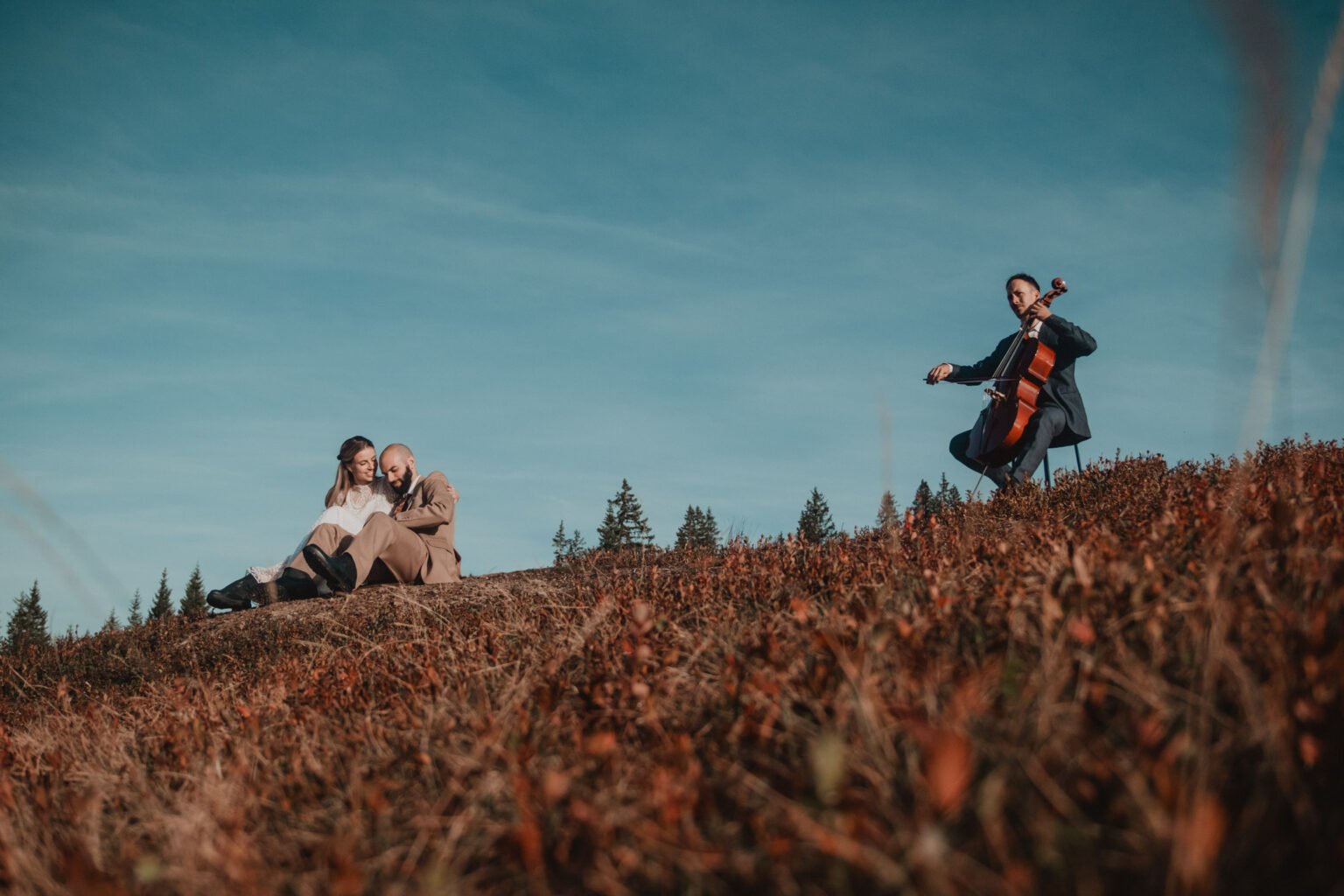
You do not need a guest list to justify a musician. A private performance can become one of the most memorable parts of an elopement: a piece after your vows, a song beside a lake, or a few minutes outside a mountain hut before you share a meal.
If you worry it might feel awkward to be the only audience, talk about that beforehand. You can sit together, hold hands, look at the view or close your eyes. There is no requirement to make continuous appreciative eye contact with a cellist. He has other things to concentrate on.
Agree whether you want one piece or a short set, where everyone will be and how the moment ends. A little planning lets you settle into it. If you want to dance, dance. If you would rather lean into each other and listen, that is a complete experience too.
This is where my work as a photographer and filmmaker connects naturally with music. I can help make room for the experience, think through the light and setting, and photograph what happens without turning every minute into an instruction. You can see more of that approach in my wedding and elopement photographs.

Can musicians really come into the mountains?
Sometimes, absolutely. But a location that is easy for someone wearing hiking boots and carrying a small camera bag can be a different proposition with a cello. We need to plan for the people, the instruments and the journey back.
Mathias enjoys hiking, and a location involving roughly an hour to an hour and a half on foot may be possible with him. That is a conversation about a particular route, conditions and instrument transport, rather than a promise attached to every mountain on a map.
- Access: distance, ascent, footing, steps, parking, cable cars and the last return journey.
- Equipment: who carries each item, where it can be put down safely, and whether a chair, music stand, batteries or sound system are needed.
- Time: travel, walking, setup, tuning, performance, breaks and getting home. A ten-minute performance can still require most of a working day.
- Comfort: shelter, temperature, water, food and somewhere suitable for a break.
- The alternative: a sheltered location or indoor option that still feels good if the exposed spot becomes unsuitable.
For an Austrian mountain wedding, I can help connect the musical idea to a realistic location through my local knowledge and scouting. Location scouting is already part of my photography service. For somewhere further afield, we would assess access and work with the venue or local people who know the conditions.
Rain, wind, sunshine and the plan you are happy to use
An outdoor performance needs more than a hopeful weather app. Instruments and electrical equipment can be vulnerable to moisture, strong sun and temperature changes. Wind can affect sound, sheet music and microphones even on an otherwise beautiful day.
Ask your musician what conditions they can work in, what shelter is needed and who makes the decision to move. Agree a decision time and an alternative with a similarly lovely atmosphere. A covered terrace or a room with a mountain view can be a choice you genuinely enjoy, rather than somewhere you reluctantly retreat.
The musicians at JAM Duo explain outdoor performance requirements from a performer’s perspective. Your own artist’s requirements take priority; instruments and setups differ.
Acoustic music, amplification and electricity
“Acoustic” does not automatically mean everyone will hear clearly. A small group listening closely to a cello is different from guests spread across a windy terrace. Waterfalls, nearby roads and conversation can compete with quiet instruments. A singer may need amplification where an instrumental performance does not.
Tell the musician the guest count and setting, and ask what they recommend. If power is unavailable, confirm whether a suitable battery setup is possible, how long it runs and who supplies it. Do not plan around an extension lead that nobody has actually seen.
For recorded music, use a legitimate playback source that works offline, test it through the actual equipment, and prepare a backup device and power supply. Disable calls and notifications on the playback device. One person should own the cues; ideally that person is not either of you.
Venues, permissions and the people listening
Check the rules before building the soundtrack
A symbolic outdoor ceremony, a civil wedding and a church ceremony can have different requirements. Ask the person conducting the ceremony about permitted music, live performers, recordings, timings and any restrictions on repertoire before commissioning an arrangement.
For example, Vienna’s registry office publishes its own guidance on musical accompaniment. It is a useful reminder to check the actual office or venue you have chosen, rather than treating advice for one Austrian location as a rule for all of them.
For a reception or outdoor performance, confirm permission, access, setup times, volume limits, curfew and any sound limiter with the venue or landowner. If licences or permits are needed, establish who obtains them. A wedding booking does not necessarily cover every proposed musical activity.
In natural places, keep the sound appropriate to the setting and consider wildlife, walkers and other people enjoying the quiet. Leave No Trace’s soundscape guidance is a helpful starting point. A beautiful landscape is also somebody else’s day out.
Guests, different tastes and room for a conversation
If you are bringing guests, think about their experience without handing the entire soundtrack over to a committee. Music during dinner should allow people to talk. Someone who is sensitive to sound, uses hearing aids or simply needs a break may appreciate seating away from speakers and a quieter place nearby.
For a celebration bringing different cultures or languages together, choose a few meaningful moments for each of you. Explain pronunciation, context and any traditions to the performer. You can honour your families while keeping the overall day recognisably yours.
For a dancing set, agree how requests are handled and give your DJ or band the boundaries in advance. If there are songs you really dislike, say so. A wedding is a perfectly reasonable place to exercise your right not to hear a particular chorus.
Friends performing, surprises and first dances
A friend singing can be deeply personal. It still deserves preparation: a suitable key, rehearsal, accompaniment, a microphone if needed and a plan if nerves arrive at exactly the wrong moment. Let them be a guest again afterwards instead of giving them responsibility for the whole day’s sound.
A surprise performance works best when it is a surprise only to its intended audience. The relevant musician, venue, coordinator and filmmaker need to know enough to make it happen. Think carefully before surprising someone with an invitation to perform.
And you do not have to have a first dance. You could listen to a song together, invite everyone to join immediately, choose a private dance before dinner or leave dancing out. My background is in dance, and I am still very happy to defend your right to keep both feet comfortably still.
What does wedding music cost—and what are you paying for?
A useful quote describes the whole commitment. Two musicians playing the same number of songs may have very different travel, preparation and equipment requirements. Comparing only the minutes of performance will not tell you much.
- The artists: number of performers, their experience and the agreed lineup.
- The music: existing repertoire, a new arrangement, learning a request or composing something original.
- The schedule: arrival, setup, performance sets, breaks, waiting time and finish time.
- The journey: travel, accommodation, transfers, cable cars, access and equipment transport where relevant.
- The production: sound system, microphones, power, technical assistance and any agreed recording.
- The terms: applicable taxes, payment dates, overtime, changes and cancellation or postponement conditions.
My live-music offering currently starts from €1,200. The actual proposal depends on the musician, location, timing and arrangements. Music is booked separately from photography or film; the starting price is not a universal rate for every artist or destination.
My photography pricing covers my own agreed shoot-related travel, accommodation and access costs, as well as location scouting. It does not automatically cover the musician’s expenses or your own accommodation, travel and other suppliers. I want you to understand that distinction before you fall in love with a plan.
If the budget is tight, choose the moment where live music would mean the most. One musician playing a short, thoughtfully planned ceremony can be more valuable to you than stretching the budget across every part of the day. Keep a request within their existing repertoire, consider straightforward access and ask for a complete quote.
When to book, and what to confirm
Enquire once you have a realistic date, destination and idea of the musical role. If one particular artist matters enormously, check their availability before making the surrounding plans fixed. For a flexible elopement, being open about dates can help. There is no single booking deadline that fits every performer, season and location.
Before paying a booking fee, get the agreement in writing. Confirm the performer or lineup, date, place, schedule, equipment, special requests, total price, payment terms and responsibility for licences or permissions where applicable. Include the arrangements for bad weather, delays, illness, a substitute performer, postponement and cancellation.
Also decide what happens if your ceremony runs late or you want the music to continue longer. Ask about overtime in advance. A good musician can be wonderfully adaptable, but “just one more song” can mean missing the last cable car.
Alive Network’s questions to ask before booking provide another useful checklist, particularly for bands. Apply the questions to the scale of your day rather than adding complexity you do not need.
Who handles the music on the wedding day?
The best planning gives everyone a small, clear job. It should not leave you holding a phone in one hand and your vows in the other.
| Responsibility | Agree this in advance |
|---|---|
| Musical choices | You choose the meaningful pieces; the artist confirms what can be performed and the final versions. |
| Ceremony cues | A named celebrant, coordinator or trusted person signals the performer or playback operator. |
| Equipment and sound | The musician, DJ or agreed technical person supplies and operates the required setup. |
| Location and access | The relevant venue contact or coordinator confirms permissions, access and the weather alternative. |
| Photography and film | We agree where I work, how the moment unfolds and what audio or video is being captured. |
When you work with me, I can help bring those conversations together around the photography or film and the experience you want. We still establish the actual responsibilities. Finding a musician, coordinating a photographic moment and providing full event production are different jobs.
Before the day, share a simple running order with the names, exact tracks or versions, cues, approximate lengths and key contacts. Put setup and soundcheck before guests arrive wherever possible. Keep a little space between events, especially when everyone needs to move to a new location.
Then let the plan do its job. Once the music begins, you deserve to hear it.
Keeping the music you actually heard in your wedding film
There is something particularly moving about seeing a moment again and hearing the music that was really there. The phrase that began after your vows. A familiar voice. The little pause before you both smiled. That sound can bring you back very directly.
My experience making dance films, music videos and other projects with live musicians is one of the ways I can help here. If you would like a wedding film, we can discuss how a performance from your day might become part of it, alongside your voices and the sound of the place.
Good audio begins before the performance
Tell me about the music early enough to plan the recording with the performer. A microphone that makes a singer audible to guests is not necessarily a complete recording solution. Wind protection, placement, levels, a suitable feed where available and backup recording all need consideration.
We also want the equipment to fit comfortably into the experience. Clear vows and a convincing musical recording may require separate approaches; neither should be left to whatever the camera happens to hear from a distance. Shure’s guide to sound for video and film explains why location and microphone choices matter.
Agree the deliverables too. Including part of a live song in a cinematic wedding film is different from delivering a complete performance recording. My film packages include a separate recording of the core ceremony and vows, up to one hour, simply and beautifully edited in my signature colour style. A full concert, every speech or an additional music video would need its own agreement.
If you want both photography and film, tell me at the start so we can discuss appropriate coverage. Recording a complete ceremony while making creative photographs is not something to leave to optimistic multitasking.
Can any wedding song go into the film?
A song being performed at your wedding does not automatically settle permission to use it in a film. The composition, a particular recording and the performer’s agreement can involve different rights. A live cover can still require permission for the underlying music; buying a track or having a streaming subscription is not a film licence.
We need to establish the intended use—your delivered film, public social clips, a website or promotional work—and clear the relevant rights. AKM’s guidance on online music use explains why synchronisation and other permissions may need separate attention. The requirements depend on the music and how it is used.
If a favourite song cannot be cleared for the intended film, alternatives may include suitable licensed music or an original piece with the necessary permissions. That is worth discussing before the wedding, while there is time to choose something you love.
Austrian roots, wherever your music takes you
Austria gives me a familiar starting point: mountain landscapes, lakes, places to slow down and artists I have worked alongside. I can help you think through how a musician and a location could fit together, from an accessible terrace with your closest people to a quieter experience for two.
If your wedding belongs somewhere else, I can travel for photography or film. We can also explore musical options there: a suitable local performer, someone from my network who is available to travel, or a collaboration with an artist you already love.
For another country, we would confirm the practicalities individually, including artist availability, travel costs, equipment, local permissions and any relevant working requirements. Sometimes the best fit is a musician already based nearby. The aim is to find the right sound and the right people for your day, wherever it takes place.
If the music of The Sound of Music is part of your story, my guide to a Sound of Music–inspired wedding explores Austrian filming locations and ways to carry that feeling elsewhere. You can take inspiration from a film without turning your wedding into a scene-by-scene remake.
Three ways the music could fit together
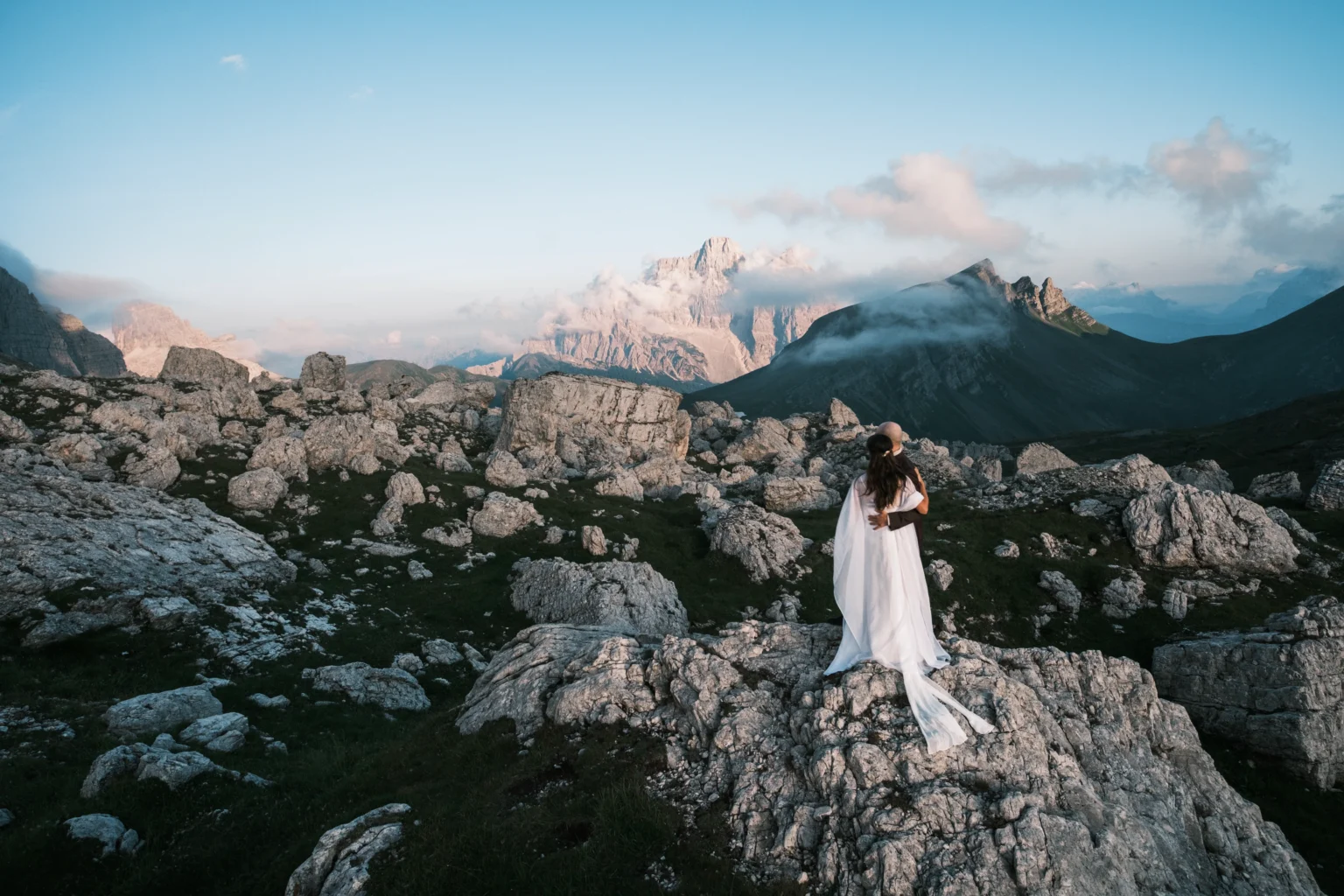
These are examples to help you imagine the flow, not fixed packages or promises about a particular location. Each would depend on access, permissions, weather and the people you book.
A private mountain ceremony with cello
You arrive with enough time to settle in, rather than beginning your vows while still catching your breath. After the words, Mathias plays a piece you have chosen together. You stay and listen. Later, there is time for photographs, a shared meal and perhaps another piece somewhere sheltered. The music has one clear place in the day, with enough room to enjoy it.
A grounded ceremony with your closest people
A small group gathers in an accessible outdoor setting. A didgeridoo or another sound you connect with marks a listening moment agreed with the performer and celebrant. Your vows have quiet around them. Afterwards, everyone shares food and conversation. The musical atmosphere supports your ceremony without requiring you to adopt someone else’s rituals or beliefs.
An intimate celebration that becomes a party
Live voice and guitar accompany the ceremony and a relaxed drinks reception. A playlist keeps things gentle over dinner. Later, a DJ or a band takes over for dancing, with your favourite songs and clear boundaries around requests. This can work in Austria or elsewhere; the important details are the handovers, sound limits and people responsible for them.
A simple brief to start the conversation
You do not need to know the correct instrument, exact song count or technical language before getting in touch. A few honest details are enough:
- Your date, season or the dates you could consider.
- The destination or kind of setting you imagine, even if the location is still undecided.
- Whether it is just the two of you, a small gathering or a larger celebration.
- Two or three pieces you love, and what you love about them.
- The moment you would like music for, plus a rough budget if you have one.
- Whether you are looking for photography, film, help exploring musicians or a combination.
You can also tell me what worries you: finding someone who feels right, organising things from abroad, standing in front of a camera, getting instruments up a mountain or simply having too many ideas. That gives us a useful place to begin.
What would you love to hear on your wedding day?
Bring me a favourite song, a place you keep thinking about, or an idea you cannot quite put into words yet. I can help you explore how photography, film and the right musicians could fit together around it.
Whether that is in Austria or somewhere else, we can start with the two of you and work out what is possible.