How to Elope: From Your First Idea to a Day You Can Enjoy
When you bring me your first elopement ideas, I want to hear what excites you. The location matters, but so does how you want to spend the day together. Starting there helps us turn a collection of beautiful possibilities into a plan you can enjoy.
I’ve put this guide together to help you move from those first ideas to practical decisions. We’ll look at the people, timing and arrangements, then explore possibilities in the mountains, by the sea, in the desert and in tropical forest. The destination examples give you places to begin your research.
1. Agree on what matters to the two of you
Each write down three things you would love to remember about the day. Make them specific: saying your vows privately, hearing a favourite song played live, sharing a meal with your children, or exploring somewhere new together. Then compare.
Choose a few shared priorities and use them to guide the rest. If time together is the point, avoid a schedule with five locations. If your parents being there matters most, choose an experience they can enjoy. Your plan should reflect your actual lives, not just the photographs you’ve saved.
2. Decide who joins you and what the ceremony means
You might celebrate as a couple, invite a few people, or split the day between family time and a private adventure. Make that decision early enough to consider travel, access and accommodation.
Also decide whether you want a legally recognised ceremony during the experience or a symbolic celebration with the legal marriage arranged separately. Check the requirements with the responsible authority before booking. Start with Austria’s official marriage guidance for an Austrian ceremony; elsewhere, consult the relevant local authority and any recognition requirements at home. A photographer or tourism page cannot confirm your individual legal eligibility.
3. Set a budget that includes the whole trip
Include photography or film, travel, accommodation, food, clothing, ceremony arrangements and the activities you hope to do. Add any permits, transport, professional guides and musicians that the plan requires. Ask suppliers to set out what is included, what is optional and what happens if plans change.
Leave room for practical changes, especially when your day depends on outdoor access. Booking cheaper travel that leaves no flexibility can work against the experience you actually want. Compare the complete plan, not just the first advertised price.
4. Choose a landscape and season together
A location and a date are connected decisions. Find out what the place is like in your chosen season, how you reach it and what a realistic alternative would be. Check official tourism information, local operators and current travel advice before committing.
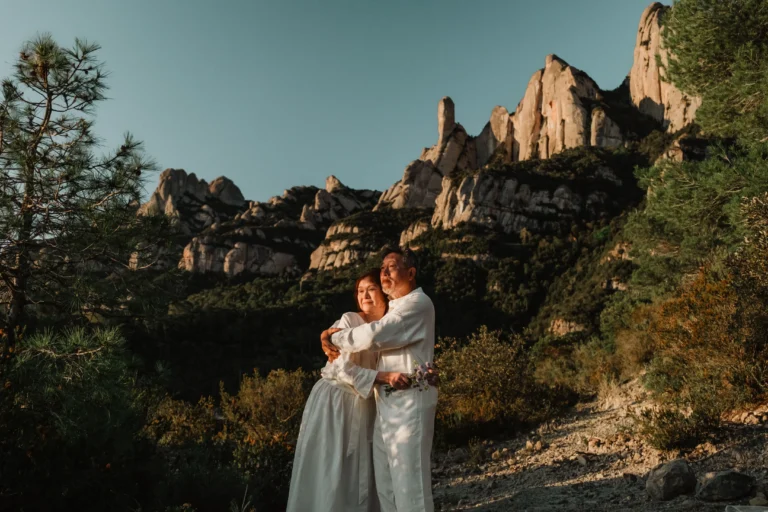
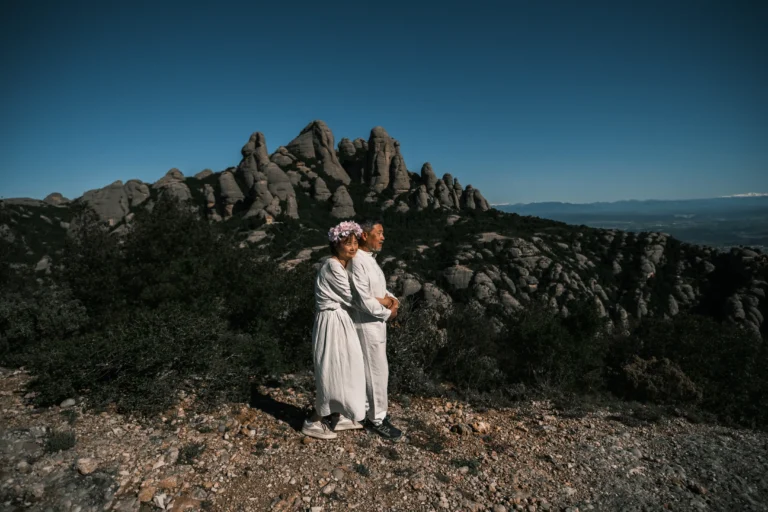
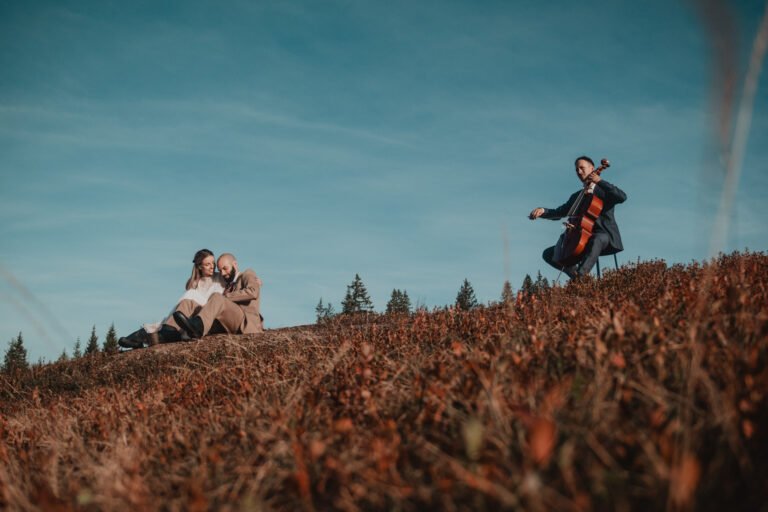
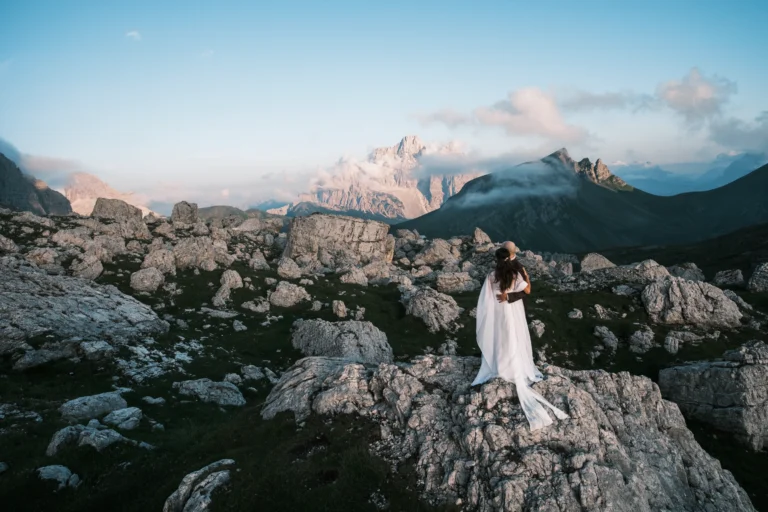
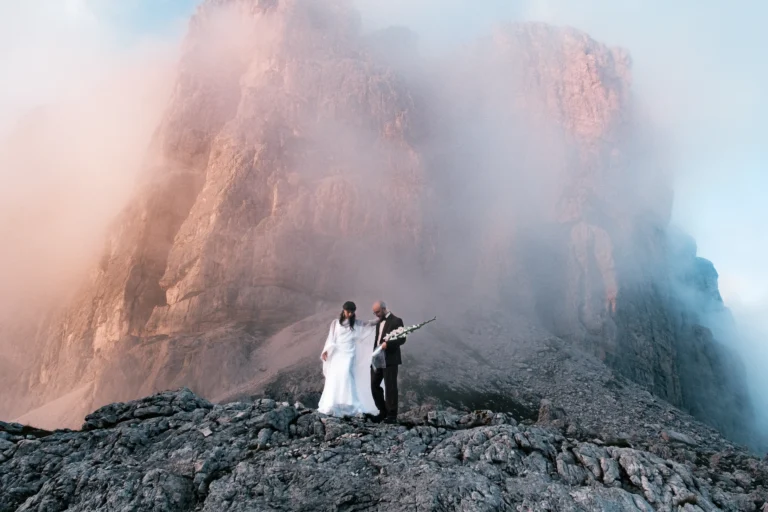
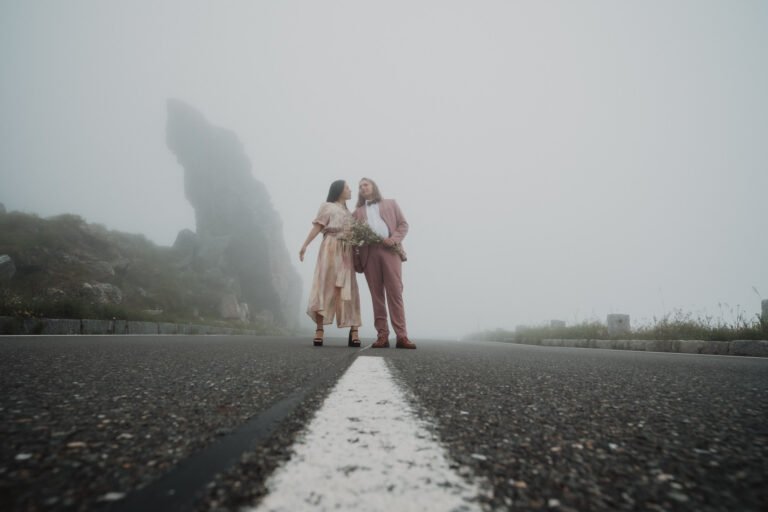
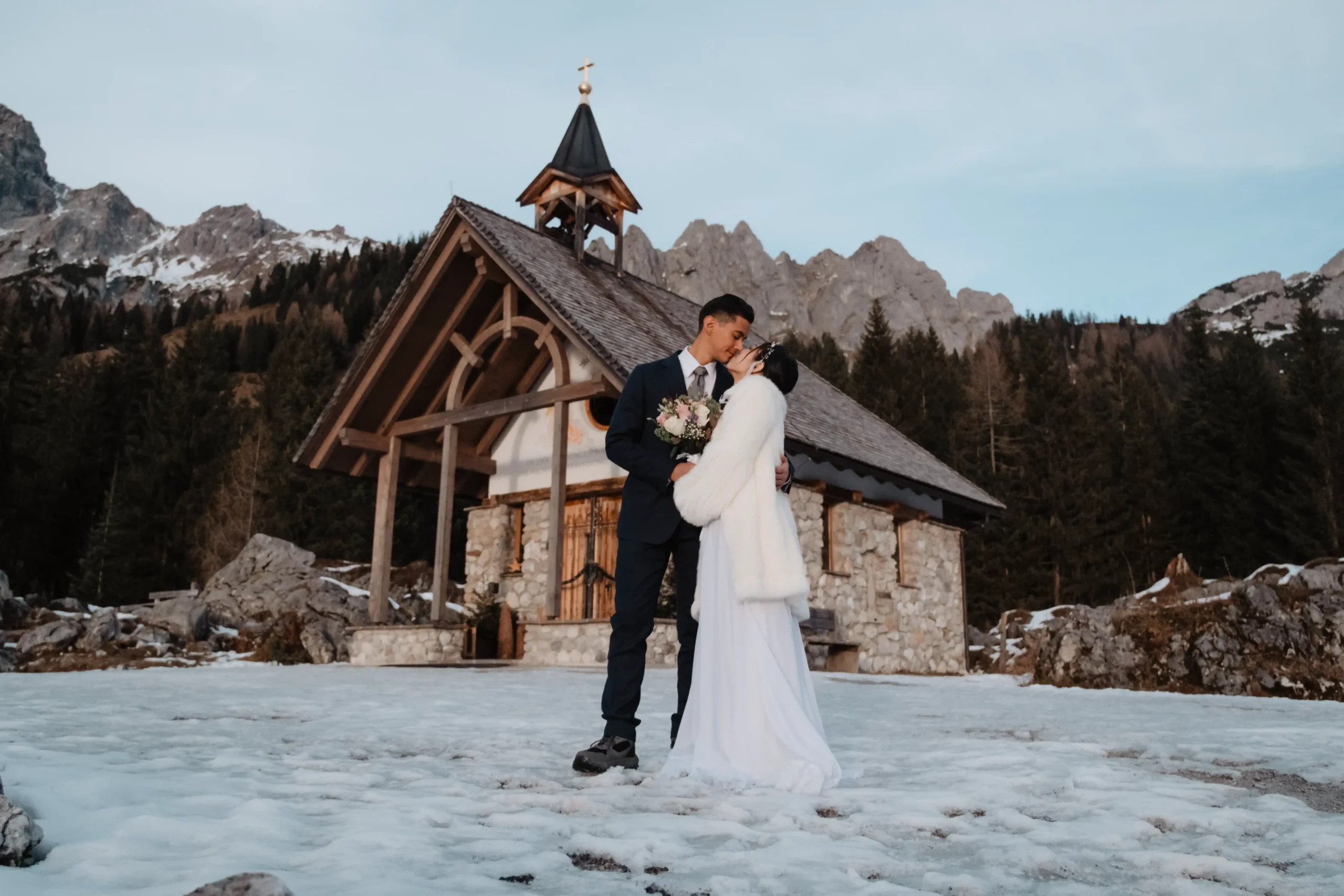
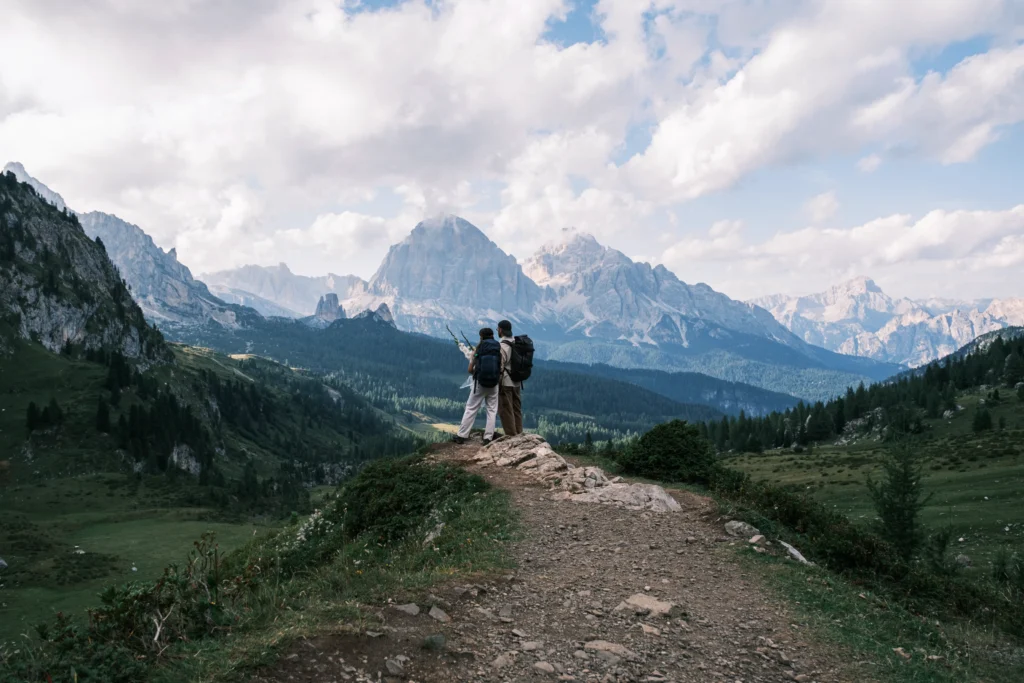
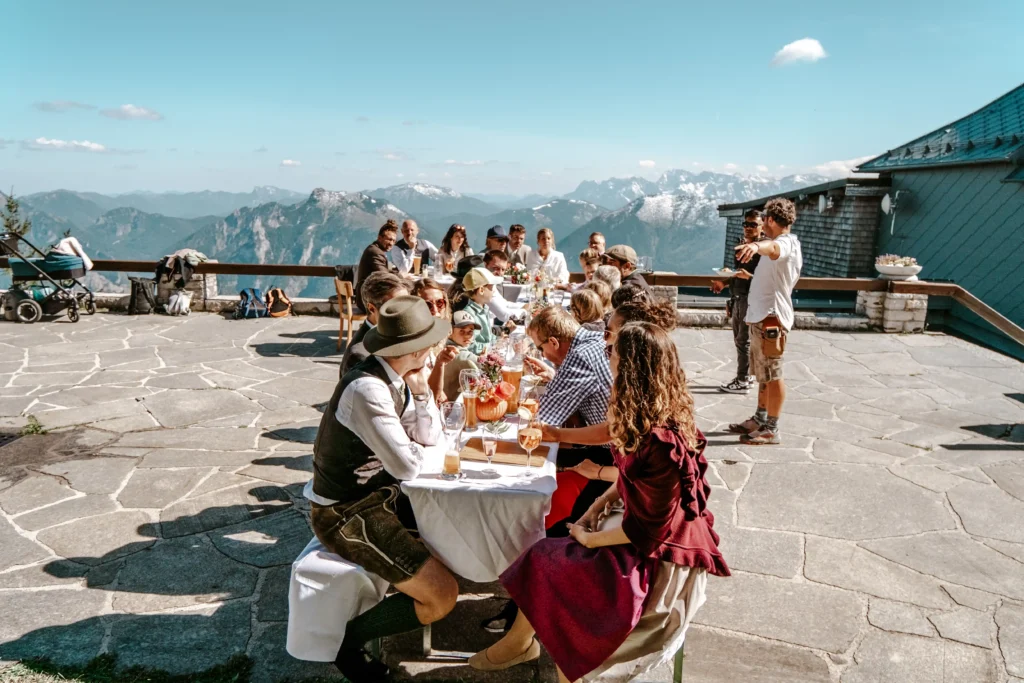
The examples below show different directions you could explore. The photographs throughout this guide are from the Bound of Music collection; they do not identify every destination described.
Mountains: Austria
If you’re drawn to lakes, alpine views and time walking together, Austria is a natural place to start. You could plan a gentler lakeside experience or explore a mountain route that fits your ability. A picnic, a hut meal where available, or a private exchange of letters can give the day its shape.
Check route difficulty, elevation, weather and the return journey. Lifts and huts have operating periods; a date on the calendar doesn’t guarantee access. Tirol’s official mountain guidance stresses planning around the group and conditions. For technical terrain, arrange appropriately qualified mountain support. My location guides offer a starting point for Austria.
Seaside: Portugal’s Algarve
The Algarve offers different coastal settings, from beaches to rocky coastlines. If the sea feels more like you than a summit, consider a coastal walk and photographs, followed by a meal together. A boat experience could be another part of the trip if a suitable operator and conditions allow.
Use Portugal’s official Algarve beach information to begin your research. Confirm access, tide and sea conditions, local restrictions and any permissions for your plans. Keep away from cliff edges and unstable rock; a dramatic photograph is never a reason to cross a barrier. Plan somewhere sheltered if wind or weather changes the day.
Desert: Morocco
Morocco’s tourism office identifies Merzouga and Zagora among its desert destinations. Wide views and time outside could inspire a very different kind of celebration: a locally arranged walk, photographs in suitable light, and dinner at your accommodation.
Start with the Moroccan National Tourist Office’s desert guide, then speak to a reputable local operator about transport, suitable seasons, heat, water and the exact arrangements. Do not treat a remote location as a place to improvise access. Check local customs and ceremony or photography permissions separately.
Tropical forest: Costa Rica
Costa Rica’s national parks include tropical forest and coastal environments. A guided nature walk, time observing wildlife and a relaxed meal could form part of a wider elopement trip. Consider keeping the ceremony at an authorised venue and exploring the landscape separately if that makes the practical arrangements simpler.
The official tourism board’s national parks information links to reservations and advises checking current access. Ask the park or operator about opening times, route conditions, guide requirements and permission for professional photography or any ceremony. Prepare for rain and suitable footwear, stay on permitted routes and give wildlife space.
5. Choose people who fit the experience
Talk with your photographer or filmmaker about both the work you love and how they guide people. Explain what being photographed feels like for you. Ask about planning support, travel, delivery and the approach to changing weather.
I bring an artistic background in movement, film and music, along with my connection to Austria. I personally offer either photography or filmmaking for a celebration, never both at once. For plans elsewhere, we discuss the destination, travel and what local expertise the experience needs before agreeing the scope.
Depending on your plans, you may also need a celebrant or registry office, a local planner, musicians, transport or a qualified activity guide. Give everyone the same practical information so that their arrangements work together.
6. Build a day around a few meaningful experiences
Imagine a sunrise walk, a picnic beside a lake, reading your vows, a live acoustic song where permitted, or a first dance outside. You could take a boat ride with a local operator, linger over a regional meal, or end the day looking at the stars. Choose what excites you, then check what works in your setting and season.
Choose two or three things you genuinely want to do. You might begin with breakfast and letters, share vows, walk somewhere beautiful and finish with dinner. Or invite family for a ceremony, spend some time together afterwards and return for a meal.
Music can be a moment of its own rather than background sound throughout the day. A live performance, a first dance or a personal movement ritual could fit beautifully if you want it. Check permissions and practical sound needs; protected natural places and other visitors deserve quiet too.
Allow time for travel, food, changing clothes, photographs and simply stopping. Plan the return journey before deciding how late to stay out. An activity should add to the day, not make you race the clock.
7. Make the alternative a real plan
Choose an option you would still enjoy if conditions rule out your first location. That might mean a lower route, a sheltered setting, a different time or an indoor part of the celebration. Discuss the possibilities with your suppliers before the day, including any costs or booking limits.
Keep checking current information as the date approaches. Take route-appropriate clothing and footwear, and use local professional advice where needed. Keep the decision to stop or change plans separate from the pressure to get a particular photograph.
8. Bring what helps you enjoy the day
Pack for the setting: practical layers, water, food, sun or rain protection and the equipment your activity provider recommends. Think about how you will carry clothing, rings and personal items without overloading yourselves.
If guests are joining you, send clear information about transport, walking, footwear and facilities. Tell them what is optional. If someone needs specific access support, confirm the actual route and arrangements directly rather than relying on a general description such as ‘easy’.
9. Leave the place as you found it
Keep paths clear, follow local signs and take everything away with you. Avoid confetti, decorations or amplified sound where they could disturb the place or breach local rules. Permissions matter even when a group is small.
Choose suppliers who can explain how their activities work responsibly in that location. Keeping your celebration personal also means being considerate of the people and wildlife already there.
Turn your shortlist into a workable plan
Once you have a few possible places, compare them using the same questions. How long is the full journey from your accommodation? What does the return involve? Where can you eat, change clothes or take shelter? What part of the experience depends on a booking, opening time or permission? A location becomes much easier to assess when you look beyond the viewpoint itself.
Keep a simple planning document with the date, location, contacts and information still to confirm. Record who gave you each answer and when. This is particularly useful for seasonal services: an old photograph or a previous visitor’s itinerary cannot tell you whether a lift, route or venue will operate on your date.
Shortlist an alternative for the same reasons you chose your first option. If being near water matters, look for a more sheltered waterside setting. If you want a meal with family, check a comfortable indoor option. A backup is more reassuring when you can picture enjoying it.
Questions to ask before paying a deposit
Ask each supplier what they are responsible for, what you need to arrange and how changes are handled. For photography or film, discuss the agreed coverage, travel, delivery and any extra costs. For an activity, ask about meeting points, clothing, equipment, group size and cancellation conditions. For accommodation or a venue, clarify whether your planned use is included.
If you are comparing offers, compare the complete scope. A short transfer, a separate ceremony location and additional waiting time can change how an otherwise similar plan works. Put questions in writing so that both sides have the same understanding. You do not need to know the right industry vocabulary; explaining what you want to do is enough.
A useful final check is to read the plan from the perspective of someone arriving for the first time. Can they find the meeting point? Do they know who to contact? Have you allowed for collecting tickets or equipment? These details are easy to overlook when the destination already feels familiar from photographs.
A sample sequence for a relaxed outdoor day
Here is one possible structure to adapt, rather than a timetable to copy. Begin with breakfast and getting ready at your accommodation. Keep the first part of the morning simple enough that a small delay does not affect every later activity. Bring the things you need together before travelling to the chosen setting.
Allow time to arrive, get comfortable and explore before the ceremony or private vows. You may want a short walk first, or a moment to read letters. After the vows, leave space to enjoy what just happened. Photographs can continue through a walk or another shared activity rather than becoming an entirely separate production.
Plan a proper break for food and warmth where needed. If guests are present, make sure their next steps are clear before you leave for any couple-only time. End with a meal, music or simply time together. Work backwards from transport, daylight and venue commitments so that the ending is as considered as the beginning.
You can reverse that sequence or build the day around an evening ceremony. The useful principle is to protect your most meaningful moments from unnecessary rushing. For help deciding what those are, read how to plan a wedding that feels like you.
Make the landscape part of the experience
In the mountains, a route can give the day a sense of progression: arriving, walking, pausing and returning. Beside the sea, you might prefer staying in one area and enjoying the changing light. In a forest, a slower guided walk can make room to notice details that disappear when you hurry. There is no need to use the same structure everywhere.
Choose activities for the time you will spend doing them, not only for the image they could create. A boat ride should be something you want to experience even if conditions change the photographic plan. A first dance should feel comfortable in the chosen setting. Ask whether you would still be excited about the activity without a camera present.
Sound matters too. Wind, water and other visitors affect how a place feels and whether you can hear vows or a musician. Discuss that when choosing where to pause. A nearby sheltered spot may serve an important moment better than the most exposed part of a landscape.
Give destination travel its own space
When travelling abroad, separate the wedding plan from the travel plan and then check where they depend on each other. Consider arrival time, transfers, accommodation check-in and when you can collect anything you need locally. Leave space to recover from the journey rather than assuming you will want a demanding activity immediately.
Check current entry requirements and travel advice through official channels for your nationality and destination. Ask your accommodation and local providers about the practical details of your stay, including transport and how to contact them. If you need particular medication or access support, organise that well before departure with the relevant professionals.
Think about the return journey as carefully as the arrival. A remote experience followed by an early flight can make the last part of the trip unnecessarily stressful. If your schedule has little flexibility, choose a plan with fewer dependencies rather than relying on everything going exactly to time.
When you are bringing children or a small group
Build the day around the people who will actually be there. Ask about individual needs rather than assuming that age tells you how someone will manage. A guest may be comfortable walking but need regular seating, or happy outdoors but unable to stand through a long ceremony. Confirm practical arrangements directly and give people choices.
With children, consider food, breaks, spare layers and who will look after them while you have photographs together. Choose a place where their needs can be met without one person missing the whole celebration. A shorter shared experience and separate couple time may work better than asking everyone to take part in every activity.
Send a clear, friendly outline in advance: where to meet, what to wear, what walking is involved, what food is planned and when the shared part ends. Avoid presenting optional activities as obligations. Your guests can support the experience more easily when they know what you are inviting them into.
Bring music or movement into the plan with intention
If you want live music, start with the moment rather than a long set list. Would you like a song as you arrive, during a pause in the ceremony or after your vows? Tell the musician what the song means to you and ask what arrangement suits the setting. A simpler performance can feel more personal than filling every silence.
Then work through the practical questions: access for the performer, instruments, power if required, shelter and any sound restrictions. Confirm repertoire and timing rather than assuming every song or location is possible. My live music page explains how we can begin that conversation through my Austrian creative network.
A first dance or movement moment can be just as individual. You might want some guidance, or simply enough space to move together. You do not need to add choreography because I come from that background. It is another creative possibility available to discuss when it fits the two of you.
A final check before you set off
Review the agreed plan with the people involved. Confirm meeting points, current conditions, timings, permissions and contact details. Keep essential information available offline if reception may be limited. Make sure someone knows the route and expected return where appropriate.
Pack personal items deliberately: rings, vows, letters and anything with a special role in the ceremony. Keep them easy to find rather than buried under spare clothing. Separate what you need during the experience from what can stay at your accommodation or transport.
Finally, agree what can change without changing the heart of the day. You may not stand at exactly the spot you imagined, but you can still share your vows, enjoy time together and make photographs that belong to the experience you actually had. Good planning gives you that freedom.
Your first message can be simple
Tell me the season you have in mind, the landscapes that draw you in and who might join you. Add a few things you would love to experience, even if you are not sure how they fit together yet. I’d love to help you explore the possibilities.
Explore the elopement photography packages or standalone film experience, then tell me about your plans. Still deciding whether eloping is right for you? Read what a modern elopement can look like.