What Is Eloping? A Guide to a Wedding That Feels Like You
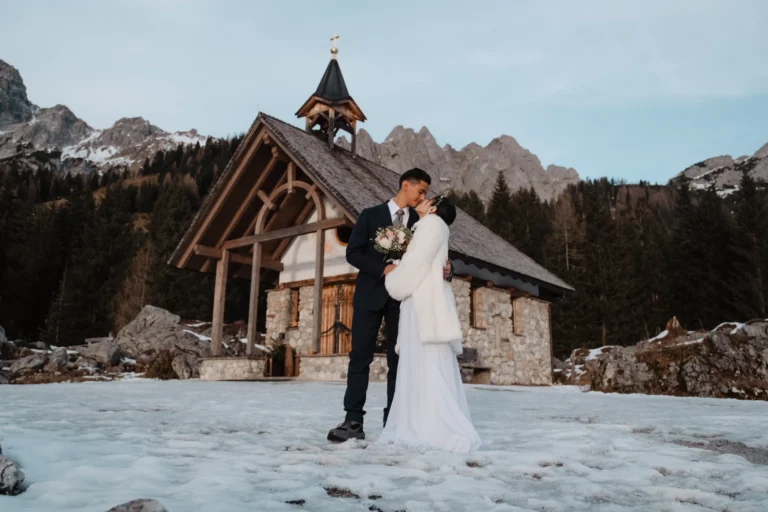
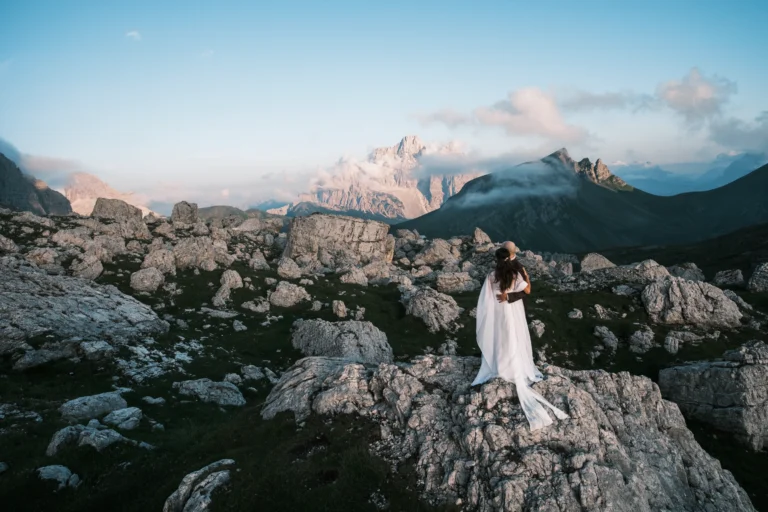
An elopement is an intimate wedding experience shaped around the two of you. When I help you plan one, we begin with what you want to experience together: where you would love to go, who you want beside you and which moments deserve your time.
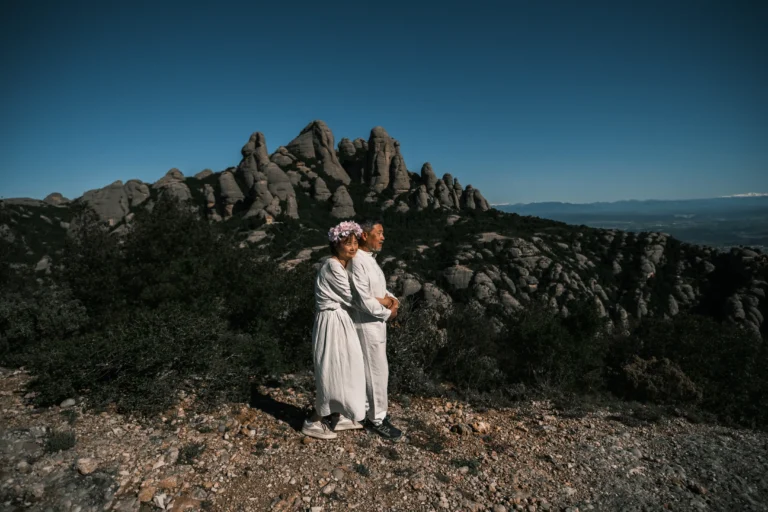
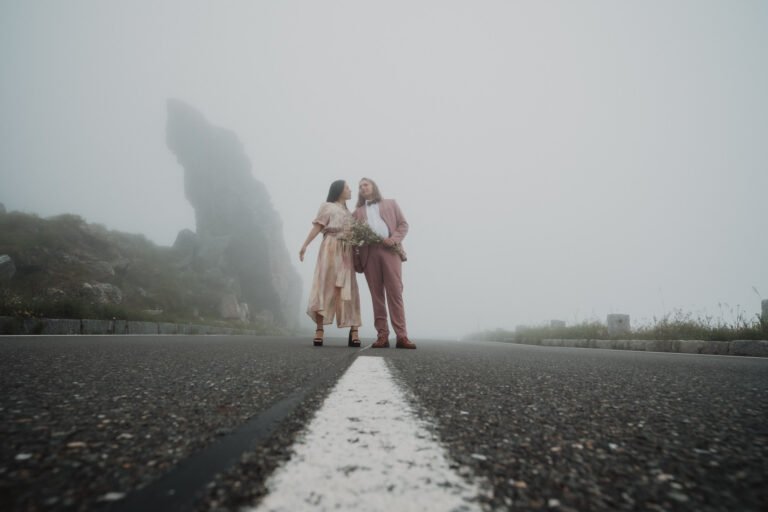
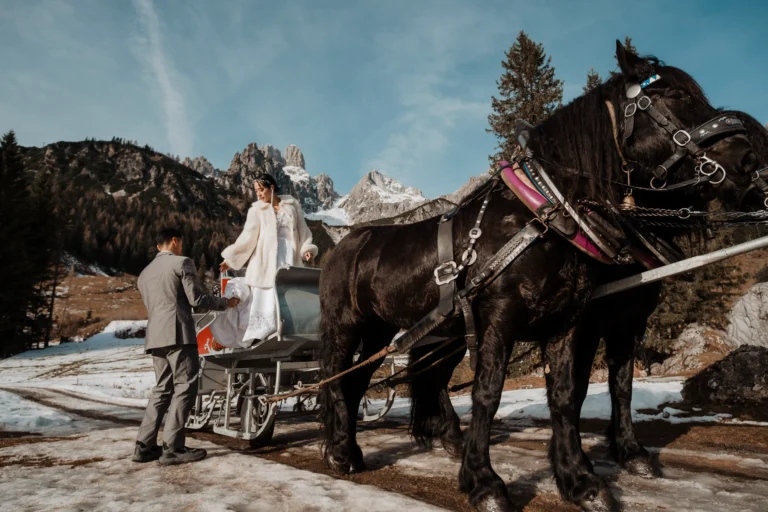
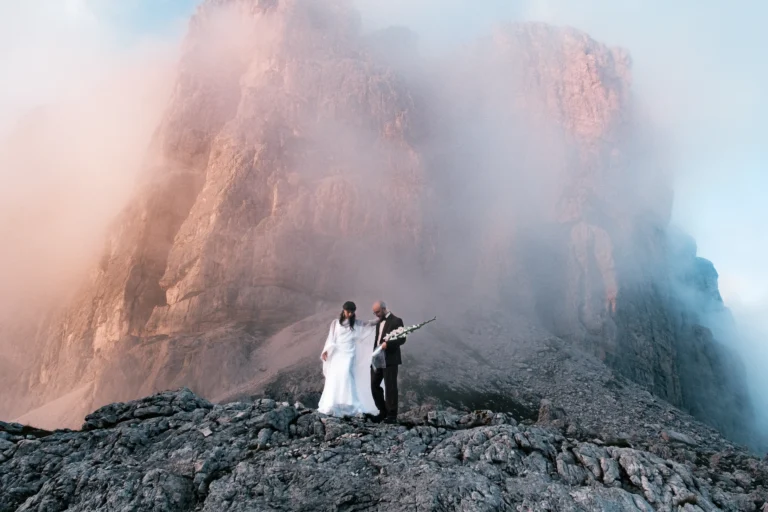
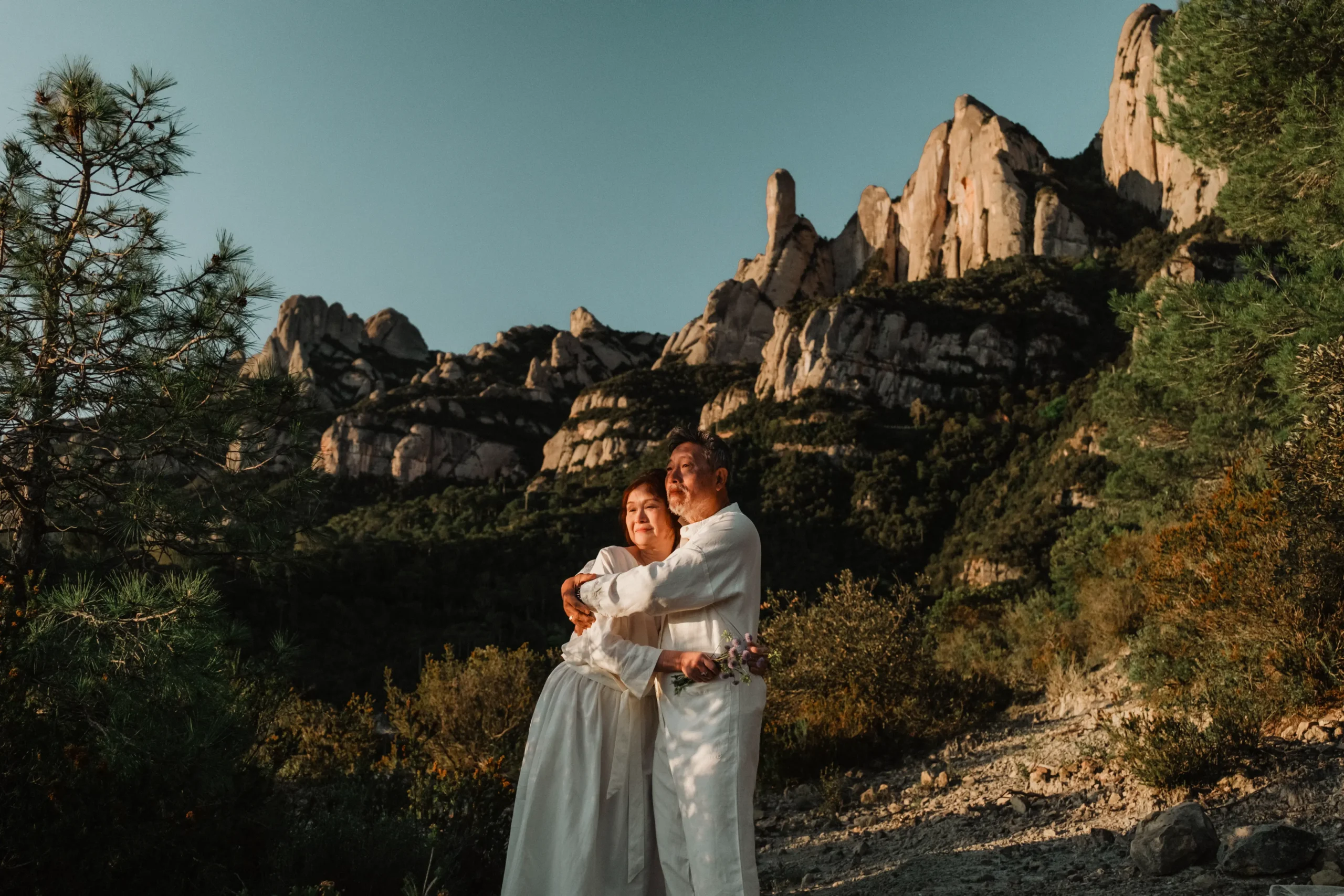
That could mean exchanging vows in the mountains, spending a day beside the sea or sharing a meal with a handful of your favourite people. It can be adventurous, quiet, full of music, or a combination of all three. You don’t need to copy a traditional wedding, and you don’t need to copy somebody else’s elopement either.
Does eloping still mean running away in secret?
The word still carries that association, but contemporary elopement photography uses it much more broadly. Couples can plan openly, invite loved ones and put considerable thought into the experience. Adventure Instead’s explanation of modern elopements offers another perspective on this shift.
For me, the useful question is whether the celebration gives you space to be yourselves. The name matters less than the experience. If you want a small wedding with a few familiar traditions, keep them. If a tradition means nothing to either of you, you can discuss leaving it out.
Why might you choose an elopement?
You might feel more comfortable sharing your vows without a large audience. Perhaps spending time outside together matters more to you than hosting a reception. You may be bringing different cultures or family expectations together and want room to decide what belongs in your own celebration.
Another reason is time. With fewer formalities and transitions, you can make space for breakfast together, a walk, a proper conversation or a song that means something to you. A smaller guest list doesn’t automatically create a relaxed day, though. That comes from thoughtful planning and being honest about what you can comfortably fit in.
An elopement also isn’t automatically the cheapest option. Travel, accommodation, photography, clothing and the experiences you choose still need a budget. The opportunity is to direct that budget towards what matters to you, rather than towards a version of a wedding you never wanted.
Can family, friends or children come?
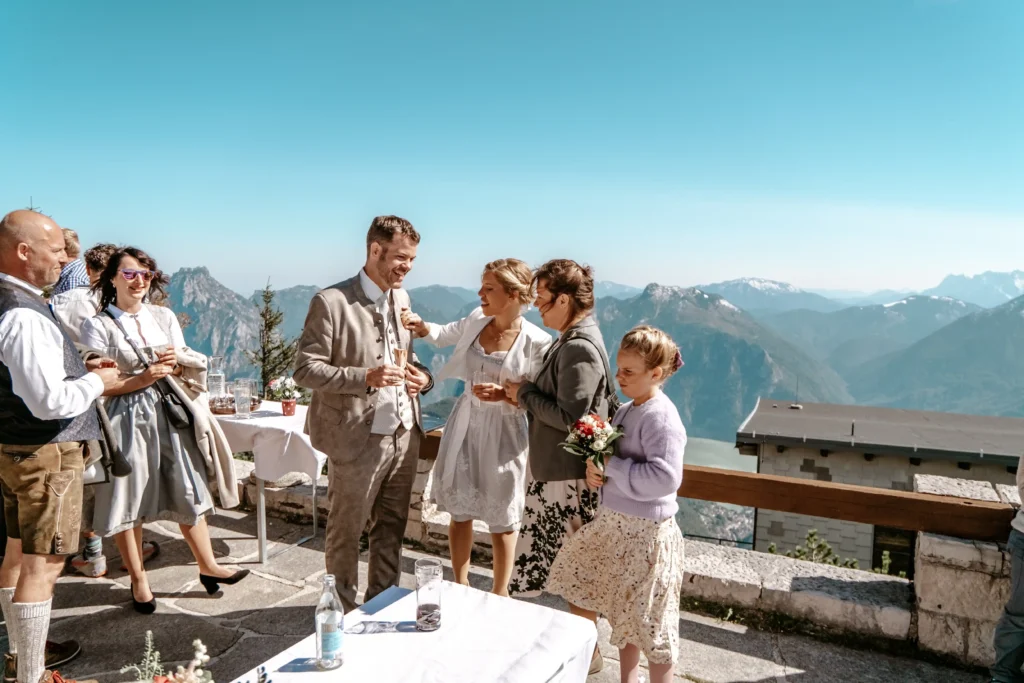
Yes, a personal celebration can include people you love. There is no single guest-count definition used by everyone. A couple-only day and a small gathering can both be approached with the same intention: keeping your relationship at the centre.
Think about the experience of everyone who will join you. Walking distance, transport, seating, toilets and somewhere sheltered become especially important with children or guests who have access needs. Choose the route around the group, rather than hoping everyone will manage a place chosen from a photograph.
You can also divide the day. Share a ceremony and lunch with family, then head out for photographs together. Or keep your vows private and celebrate with friends on another day. These are possibilities to discuss, not rules you have to follow.
An elopement, a small wedding and a pre-wedding session
These descriptions overlap, but they help explain what you’re planning. A small wedding often keeps a familiar ceremony-and-reception structure with fewer guests. An elopement usually places more emphasis on a personal experience for the couple. Either can be meaningful, beautifully planned and welcoming to loved ones.
A pre-wedding photography session is different: it makes time for photographs together before the wedding. It doesn’t need a ceremony or vows. If you love the idea of an outdoor adventure but already have wedding plans, that may be a lovely way to enjoy both.
The celebration and the legal marriage
Calling your day an elopement does not determine whether you are legally married. A legally recognised marriage has requirements set by the relevant authorities. A symbolic ceremony or a private exchange of vows does not, by itself, replace those requirements.
Some couples arrange the legal marriage separately and have their personal celebration elsewhere. Others want the legal ceremony to be part of the same day. Decide which you mean early, then check with the responsible authority before reserving a location or making travel arrangements.
For Austria, begin with the official marriage information and contact the relevant registry office about your circumstances, documents and ceremony arrangements. For another country, use its official guidance and check any recognition requirements where you live. A beautiful outdoor setting is not automatically an approved ceremony venue.
What could you actually do on the day?
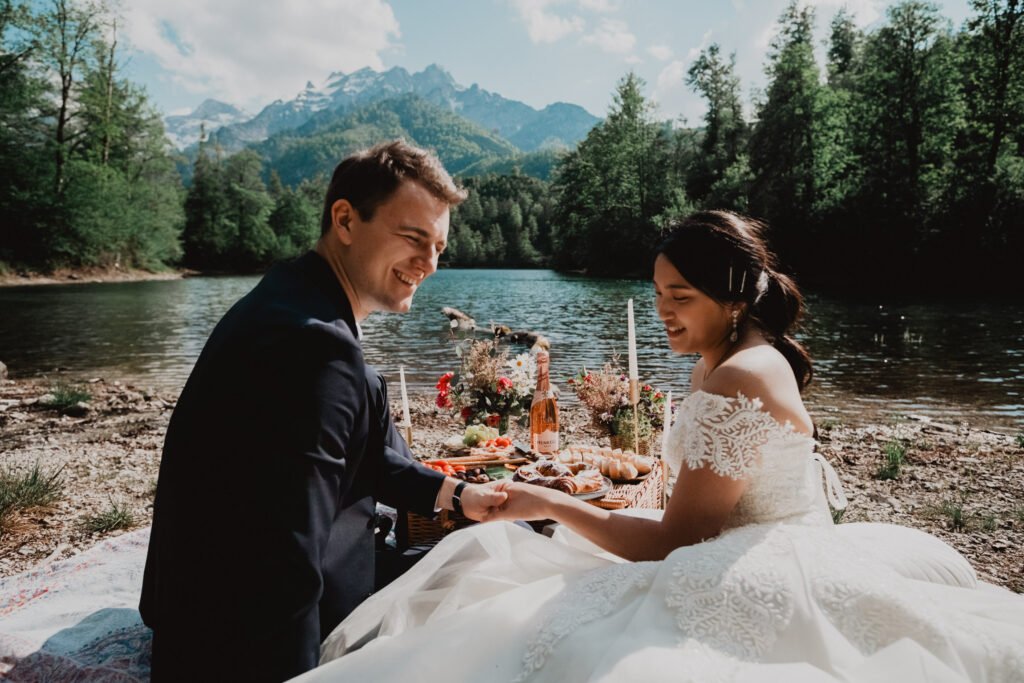
Begin with things you enjoy together. You could read letters over breakfast, take a lakeside walk, exchange vows, enjoy a picnic or book a meal somewhere special. You could make time for a first dance, live music or a longer outdoor experience. You can also leave a part of the day unplanned.
My background is in dance, choreography and filmmaking, so movement and music are natural parts of how I think about a celebration. That doesn’t mean you need to perform. We can explore a simple movement moment or musicians from my Austrian creative network if those ideas excite you. They are options to discuss, with arrangements and costs agreed separately.
A mountain summit is optional. A place you can enjoy comfortably gives you more than a spectacular viewpoint that leaves you anxious or exhausted. Weather, access and local permissions matter, and the day should have an alternative if conditions change.
Is this the right choice for you?
Try answering these questions separately, then compare: What would we most like to remember? Who do we want beside us? What would we choose if there were no expectations to meet? What would we genuinely miss from a larger wedding?
There is no need to prove that one kind of wedding is better. If the answers lead you towards an intimate day outside, that is an exciting place to begin. You can choose meaningful traditions and make room for something new.
What changes when you start with the experience?
Imagine planning from a different starting point. Instead of choosing a venue and asking how to fill it, you ask what you would love to do together. Perhaps the answer is waking up somewhere beautiful, having breakfast without rushing, saying something important to each other and spending the afternoon outside. Those choices give you a direction before you buy anything.
From there, every decision has a purpose. A location earns its place because you can enjoy being there. The people you invite are people whose company adds to the day. Music becomes a song you want to hear, rather than another item on the reception checklist. You can still dress beautifully, order flowers and enjoy a wonderful meal. The difference is that you know why you chose them.
This approach can also reveal what you do want from a more familiar wedding. You might love the idea of your father walking beside you or your friends making a toast. Keep those moments. An elopement gives you room to make decisions; it does not require you to reject everything traditional.
Three ways a small celebration could unfold
A day for the two of you. Get ready together or separately, meet for a walk, exchange private vows and take time for photographs. Finish with a meal you have been looking forward to. You might stay close to your accommodation or explore farther, depending on access and the season. The point is having enough time to enjoy the experience rather than moving constantly.
A celebration with your closest people. Choose a comfortable ceremony setting, share food and conversation, then take a little time alone together. This can work beautifully when your family is an important part of the day but you do not want to host a large event. Give guests a clear picture of the plan so that everyone knows what to expect.
A shared trip with a personal wedding day. Spend a few days in one region, make the celebration one part of that stay and leave other days for exploring. Separating travel from the central experience can give you more breathing room. It also creates practical questions about accommodation, costs and flexibility, so discuss those before treating a longer stay as the simplest option.
These are imagined formats to help you decide, not accounts of previous couples or ready-made packages. You can combine parts of them. A family lunch and a private evening outside, for example, may suit you better than choosing between a completely private day and a shared one.
How do you talk to people who expected a bigger wedding?
Begin with what you are choosing and why it matters to you. You might explain that you want time outside together, that speaking privately feels right, or that a smaller gathering makes room for a different kind of celebration. A clear explanation is usually more useful than a long defence of every decision.
Decide together what you are comfortable sharing before the conversations begin. Are you announcing the plan in advance? Would you like someone to write a letter for you to read on the day? Will there be a meal or gathering afterwards? Only offer the things you actually want to arrange, rather than promising another event because you feel you should.
It is possible to care about somebody’s feelings and still choose a day that suits you. You do not need to describe a large wedding as superficial or an elopement as more meaningful. Different celebrations work for different people. Explaining your own priorities keeps the conversation personal and avoids turning your choice into a judgement.
What if you are not naturally comfortable in front of a camera?
You do not have to arrive knowing how to pose. Tell me what makes you comfortable and what makes you self-conscious. We might start with a walk or another familiar activity, so you have something to do together while you get used to the camera. I can offer direction from there.
My dance and choreography background shapes how I notice movement and guide people. That does not mean a wedding becomes a rehearsed performance. It means I can offer a simple starting point, watch how you respond and allow the photographs to develop from there. The aim is to support your experience while making thoughtful images.
You can also discuss when the camera should be present and when you want privacy. If a particular letter or conversation is just for you, say so. Creating an artistic record of the day should include understanding its boundaries.
Can an elopement feel special without a demanding adventure?
Absolutely. Think about what adventure means in your relationship. It might mean trying something new, visiting a place you have never seen or making a choice you have been excited about for years. It does not have to mean a difficult climb.
Look for a setting that gives you enough comfort to be present. Being able to stop, sit, hear each other and enjoy the surroundings can matter more than distance from the nearest road. A short route may leave more time for vows and photographs; a longer one may be exactly what you enjoy. Make that choice with realistic information about the place and your own ability.
What would make this day unmistakably yours?
Try finishing three sentences together: ‘We feel most ourselves when…’, ‘We would love to make time for…’ and ‘We do not want to spend the day worrying about…’. Keep the answers somewhere visible while you plan. They can help you decide between two locations, how many activities to include and when to stop adding things.
This is the part I find exciting: the best starting points are often things you already know about each other. A place you love, the music you share, the way you spend a free day together. We can build from those details without trying to invent a wedding no one has ever seen before.
Start with an idea, then build the plan
You don’t need a location, a timetable and a complete creative concept before reaching out. Tell me about the two of you, a season you’re considering and what you’d love to experience. We can explore the practical details from there.
Read the practical guide to planning your elopement, explore my location guides for Austria and the Dolomites or look through the elopement photography packages. When you’re ready, share your first ideas with me.